Urban Culture Lifestyle Trends 2026
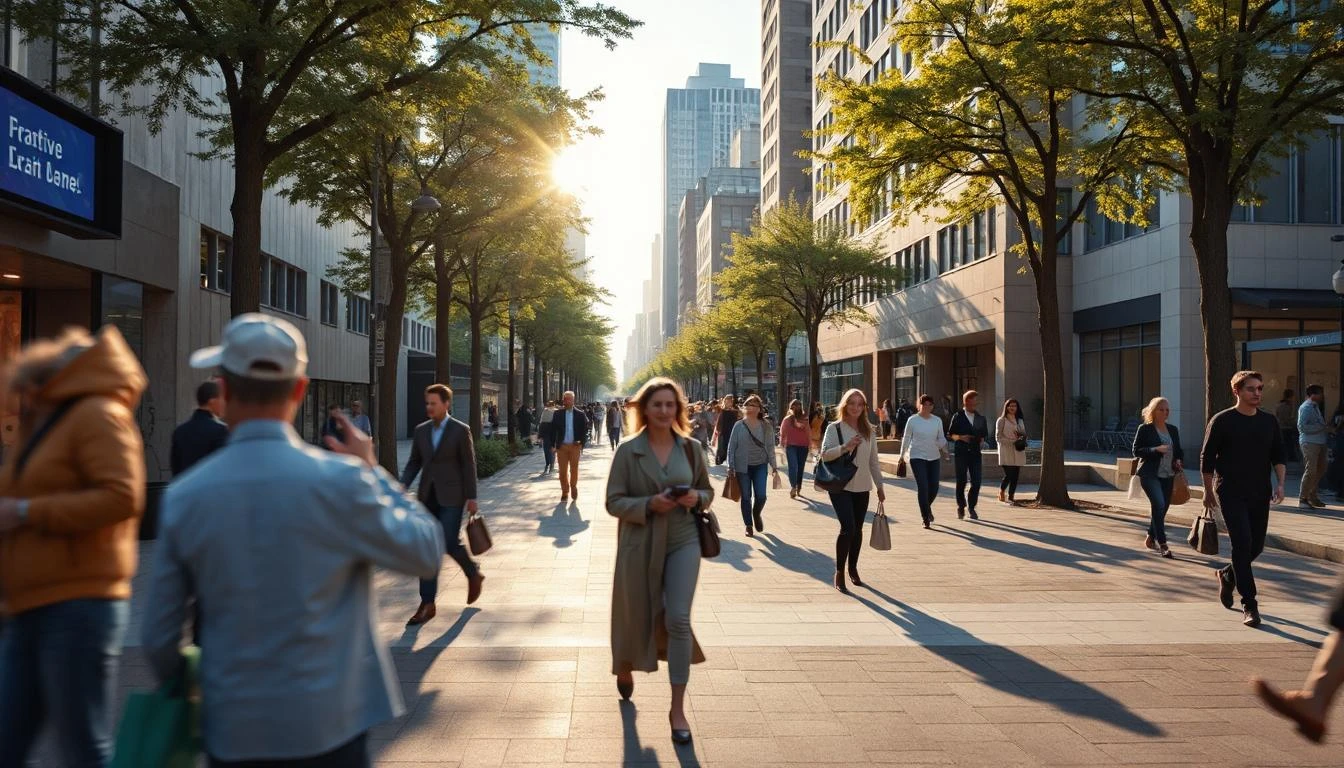
The rhythm of global cities is shifting faster than ever, pulling people into a more connected, expressive, and unpredictable way of living. Streets are no longer just pathways, they are stages of identity, creativity, and digital interaction blending into one continuous experience.
The evolution of urban culture lifestyle trends 2026 is redefining how individuals interpret modern city life, where physical spaces and digital ecosystems merge into a single cultural flow shaped by technology, youth movements, and global marketplace transformation.
Urban living today feels less like a routine and more like a constantly updating narrative. Every corner of the city seems to whisper new possibilities, from underground art scenes to decentralized commerce hubs that operate beyond traditional boundaries.
Urban Culture Lifestyle Evolution Overview
The transformation of cities is no longer gradual, it is explosive, shaped by global connectivity and cultural hybridization. Urban identity is now a fluid concept, constantly influenced by digital exposure and cross-border interactions.
urban culture trends 2026 now reflect how cities evolve into living networks of creativity, where culture is not consumed but actively co-created by its inhabitants.
Urban researcher Richard Florida once stated, “Creativity is the defining feature of economic and cultural growth in modern cities,” highlighting how deeply creativity now influences urban transformation.
Rise of hybrid city-subculture identity
Urban identities are blending into multi-layered expressions. People no longer belong to a single cultural stream; instead, they move across fashion tribes, music communities, and digital subcultures seamlessly, creating hybrid identities that reflect global influence.
Influence of global youth movements
Youth-driven ecosystems are accelerating cultural change at an unprecedented pace. Social platforms amplify micro-trends into global waves within hours, making young creators the primary architects of modern urban narratives.
Integration of street art into daily lifestyle
Street art has evolved into an everyday language of cities. Murals, augmented reality graffiti, and interactive installations turn urban landscapes into living galleries that communicate cultural stories in real time.
Urban Work and Social Living Shift
City life is being rewritten through flexibility and digital mobility. Work, leisure, and social interaction are no longer separated, they overlap in fluid, adaptive environments that reshape how people experience urban spaces.
Remote collaboration tools and decentralized platforms are redefining how communities form and how cities function in the modern era.
Remote-first urban lifestyle adaptation
Work is no longer tied to location, reshaping migration patterns and city preferences. People now choose environments based on lifestyle quality, digital infrastructure, and creative opportunities rather than office proximity.
Co-living and shared space culture growth
Shared living ecosystems are expanding rapidly, offering affordability and collaboration opportunities. These environments foster spontaneous networking, creativity, and cultural exchange among diverse urban residents.
Flexible workspaces in modern cities
Workspaces have evolved into multifunctional environments combining productivity, wellness, and creativity. They now function as cultural hubs where innovation and social interaction merge seamlessly.
Sociologist Saskia Sassen once explained, “Cities are strategic spaces where global systems become visible,” emphasizing how urban environments now serve as operational centers of global transformation.
Entertainment and Social Expression in Cities
Entertainment has evolved into participation rather than observation. Urban spaces are now interactive stages where culture, technology, and community intersect dynamically.
Digital platforms amplify this transformation, making every cultural moment instantly shareable and globally visible.
Live events and underground music scenes
Underground music cultures are thriving as alternative spaces for expression. These scenes combine physical gatherings with digital streaming, creating hybrid experiences that redefine artistic engagement.
Social media as urban storytelling platform
Social media platforms have become the narrative engines of cities. Every street performance, café interaction, and cultural moment becomes part of a larger digital storytelling ecosystem.
Pop-up cultural experiences in city spaces
Temporary cultural installations and pop-up markets are reshaping how people engage with commerce and art. These experiences emphasize immersion, creativity, and community-driven interaction.
Global Marketplace Transformation in Urban Culture
The global marketplace is now deeply embedded in urban environments, merging physical retail with digital commerce ecosystems. Cities are becoming decentralized economic engines where creativity drives consumption patterns.
urban culture trends 2026 show that experiential commerce is replacing traditional retail, where storytelling and interaction matter more than ownership.
Long-tail behaviors such as how urban culture lifestyle is transforming global marketplace experiences in modern cities reveal how consumers increasingly seek immersive, hybrid shopping environments.