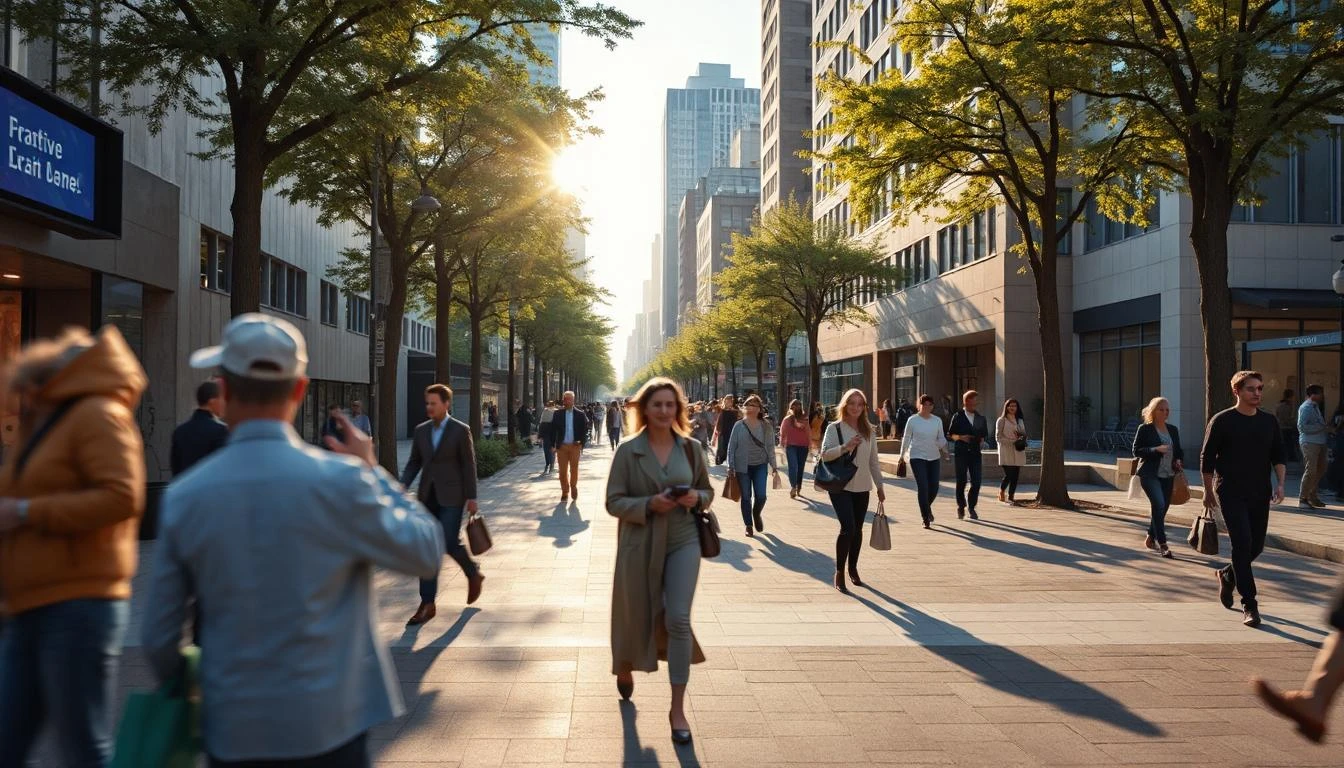
Street Fashion Evolution 2026 Trends
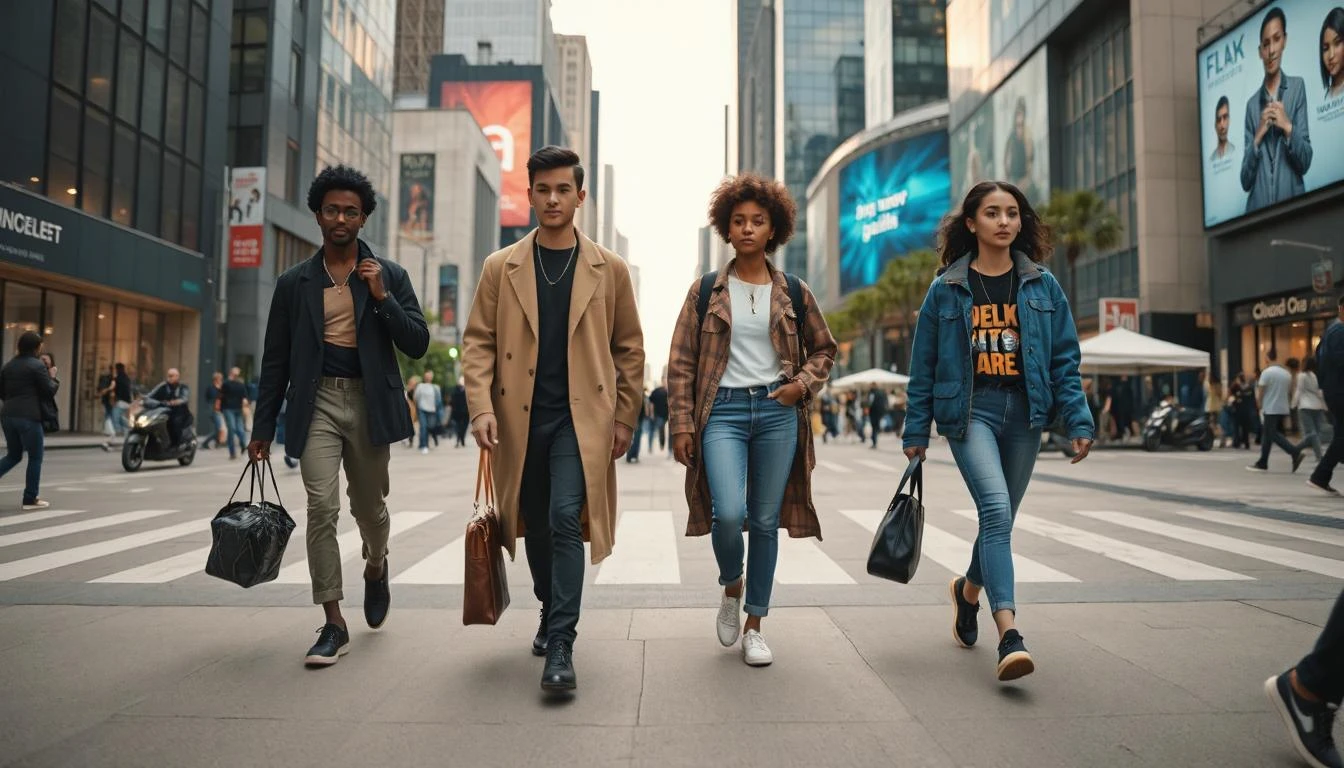
The global style ecosystem is shifting faster than ever, blending culture, commerce, and digital acceleration into one fluid movement that never truly pauses.
Urban identities are no longer shaped only by physical streets but also by feeds, algorithms, and virtual communities that continuously redefine what “cool” means across borders.
The street fashion evolution is now deeply tied to digital marketplaces, where trends emerge, mutate, and spread within hours rather than seasons. This transformation is heavily influenced by Gen Z fashion culture, social commerce ecosystems, and AI-driven personalization that reshapes buying behavior across the global fashion marketplace.
At the same time, the rise of street fashion trends 2026 reflects a world where individuality and collective identity collide, creating a dynamic tension between self-expression and algorithmic influence.
According to fashion futurist Daniel Mercer, “Streetwear today is no longer a subculture; it is the operating system of global youth identity.” Meanwhile, cultural analyst Sofia Laurent adds, “We are witnessing fashion becoming a real-time dialogue between humans and machines.”
Influence of Gen Z streetwear culture
Gen Z is not just participating in fashion, they are rewriting its language through authenticity, remix culture, and hyper-personal styling choices that reject traditional fashion hierarchies.
The street fashion trends 2026 are strongly shaped by this generation’s preference for digital-first discovery, where inspiration is pulled directly from short-form video platforms and creator-led communities.
Long-tail keyword relevance such as how street fashion is evolving in global marketplace 2026 becomes visible here, as Gen Z transforms fashion into a participatory experience rather than passive consumption.
Revival of retro and Y2K aesthetics
Retro aesthetics are resurfacing through algorithmic nostalgia, where platforms intentionally resurface Y2K fashion, early 2000s silhouettes, and vintage sportswear.
This revival is not accidental, it is engineered through predictive systems that analyze engagement patterns across resale platforms and social media archives.
The street fashion evolution in this context shows how memory becomes monetized, turning nostalgia into a powerful commercial force within the global fashion marketplace.
Social media driven fashion micro trends
Micro trends are now the heartbeat of digital fashion cycles, appearing suddenly and disappearing just as fast, driven by viral content loops.
Platforms like TikTok accelerate street fashion trends 2026 by amplifying niche aesthetics into global visibility almost instantly.
Fashion strategist Elena Brooks states, “The algorithm is the new runway, it decides what gets seen before designers even finish their collections.” This highlights how social media has become the primary engine of trend validation.
Key Materials and Silhouettes in 2026
The physical expression of fashion is evolving alongside digital influence, where fabrics, silhouettes, and construction methods reflect changing lifestyle demands and sustainability priorities.
The street fashion evolution is now inseparable from innovation in textile engineering and circular production systems.
At the same time, street fashion trends 2026 highlight a growing preference for comfort, adaptability, and eco-conscious design that aligns with global sustainability goals.
Oversized and relaxed fits dominance
Oversized silhouettes dominate global wardrobes, reflecting a cultural shift toward comfort, fluid identity, and post-formal aesthetics.
Within the global fashion marketplace, relaxed fits are no longer seen as casual alternatives but as mainstream essentials shaping modern identity expression.
Sustainable and recycled fabric usage
Sustainability has become a structural pillar of modern fashion systems, with recycled fibers, biodegradable textiles, and circular production models gaining momentum.
Long-tail relevance such as best sustainable streetwear brands 2026 marketplace reflects increasing consumer awareness and ethical purchasing behavior.
The street fashion evolution here demonstrates that environmental responsibility is no longer optional, it is a competitive advantage.
Functional streetwear with utility design
Utility-inspired designs are redefining fashion functionality, blending aesthetics with practicality through modular construction and adaptive clothing systems.
This reflects a deeper alignment between lifestyle needs and street fashion trends 2026, where clothing becomes both expressive and functional in urban environments.
Digital Impact on Street Fashion Growth
The digital layer of fashion is now as influential as physical design, shaping discovery, production, and consumption in real time.
The street fashion evolution is deeply integrated with AI systems, social media platforms, and virtual environments that redefine how fashion is experienced.
In this environment, the global fashion marketplace operates like a responsive network rather than a static industry.
TikTok fashion trend acceleration
TikTok has become the most powerful accelerator of street fashion trends 2026, transforming micro-aesthetics into global phenomena within days.
The platform’s algorithmic structure enables rapid trend diffusion, where visibility determines cultural relevance.
AI generated outfit inspiration
AI tools are increasingly used to generate outfit combinations, predict styling compatibility, and personalize wardrobe recommendations.
This supports the long-tail concept AI generated outfit ideas for streetwear 2026, reflecting how artificial intelligence is embedded in everyday fashion decision-making.
Virtual fashion and digital clothing adoption
Virtual clothing is becoming a legitimate category within the global fashion marketplace, where digital outfits are worn in gaming, social media, and metaverse environments.
The street fashion evolution now extends beyond physical garments into identity construction in digital spaces.
Explore and Elevate Your Street Fashion Identity in 2026 Trends
The modern fashion landscape invites you to participate actively rather than observe passively, shaping your identity through both physical and digital expression.
The street fashion evolution continues to expand as boundaries between creator, consumer, and algorithm blur into a single continuous ecosystem.
As street fashion trends 2026 redefine global aesthetics, your style becomes part of a larger cultural conversation that evolves in real time.